

Solo exhibition at Mala Gallery of Mystetskyi Arsenal in Kyiv, 2026
Curatorial text
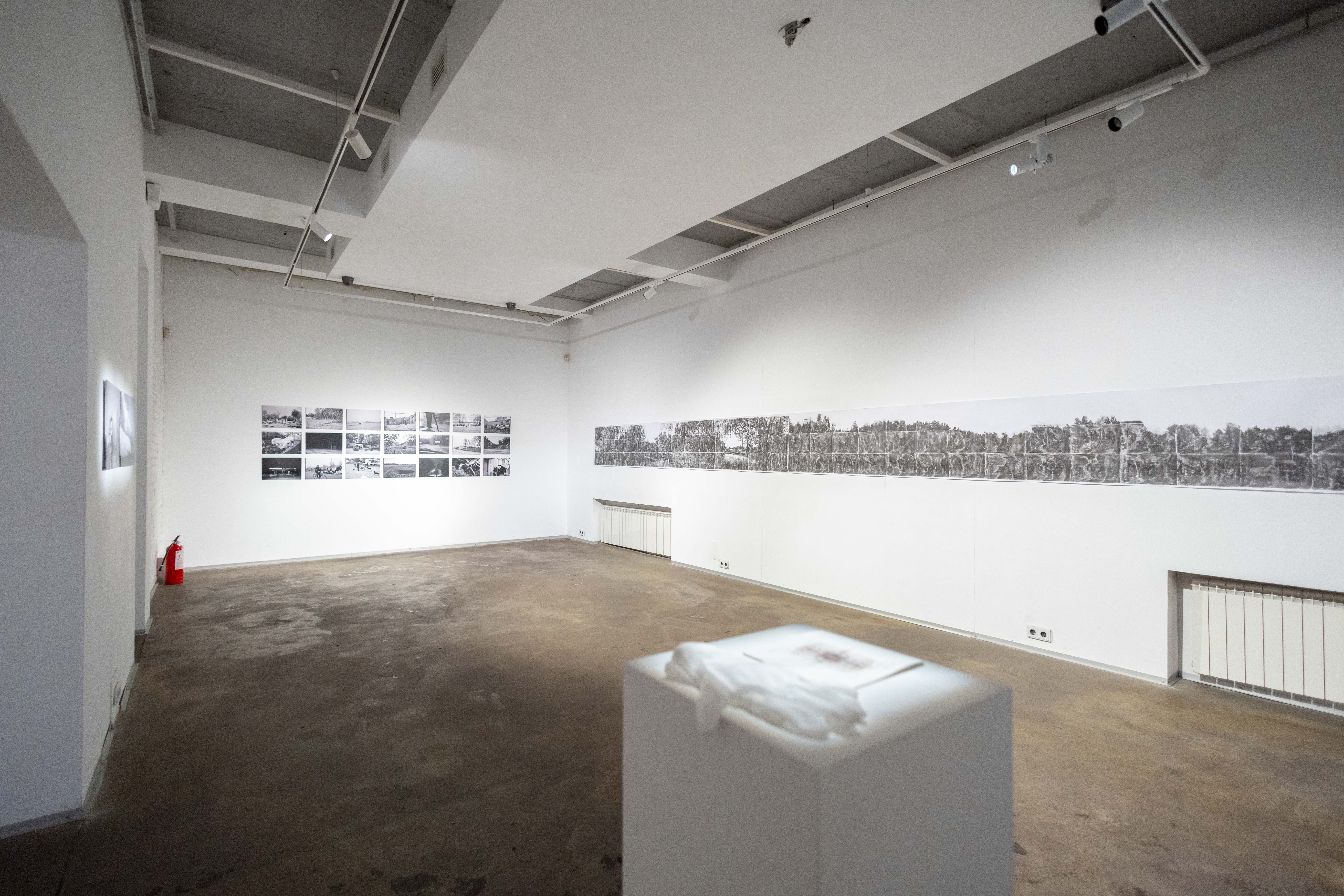
The experience of (not) returning is increasingly present in the stories of friends and loved ones. The examination of recently lost places and landscapes through archives, memories, and fragments that have been preserved or recalled has become a familiar practice. The solo exhibition Reverse Motion. Diaries by artist Ruslana Kliuchko foregrounds another* story of such a place.
Some Ukrainian regions are particularly unlucky to share a border with Russia. Living in close proximity to constant threats is both terrifying and, oddly enough, calming, akin to the eye of the storm. The town of Khutir-Mykhailivskyi in the Sumy Oblast (formerly known as Druzhba), where the artist comes from, is located 10 km from the border with Russia. Nevertheless, Ruslana continues to return there, despite the risks she herself recognises. Reverse motion is about the cyclical nature of self-return. It seems that an important element of such existence is the very possibility of existing in movement, from and to. The intention to live to the full before the catastrophe (if that is possible at all). The myth of Donbas, with its stories, memories, and remnants of the past coexistence with the region, shared by witnesses, extends beyond its territorial boundaries. When will there arise the myth about Sumy Oblast or about Khutir-Mykhailivskyi? It’s not just a question of time.
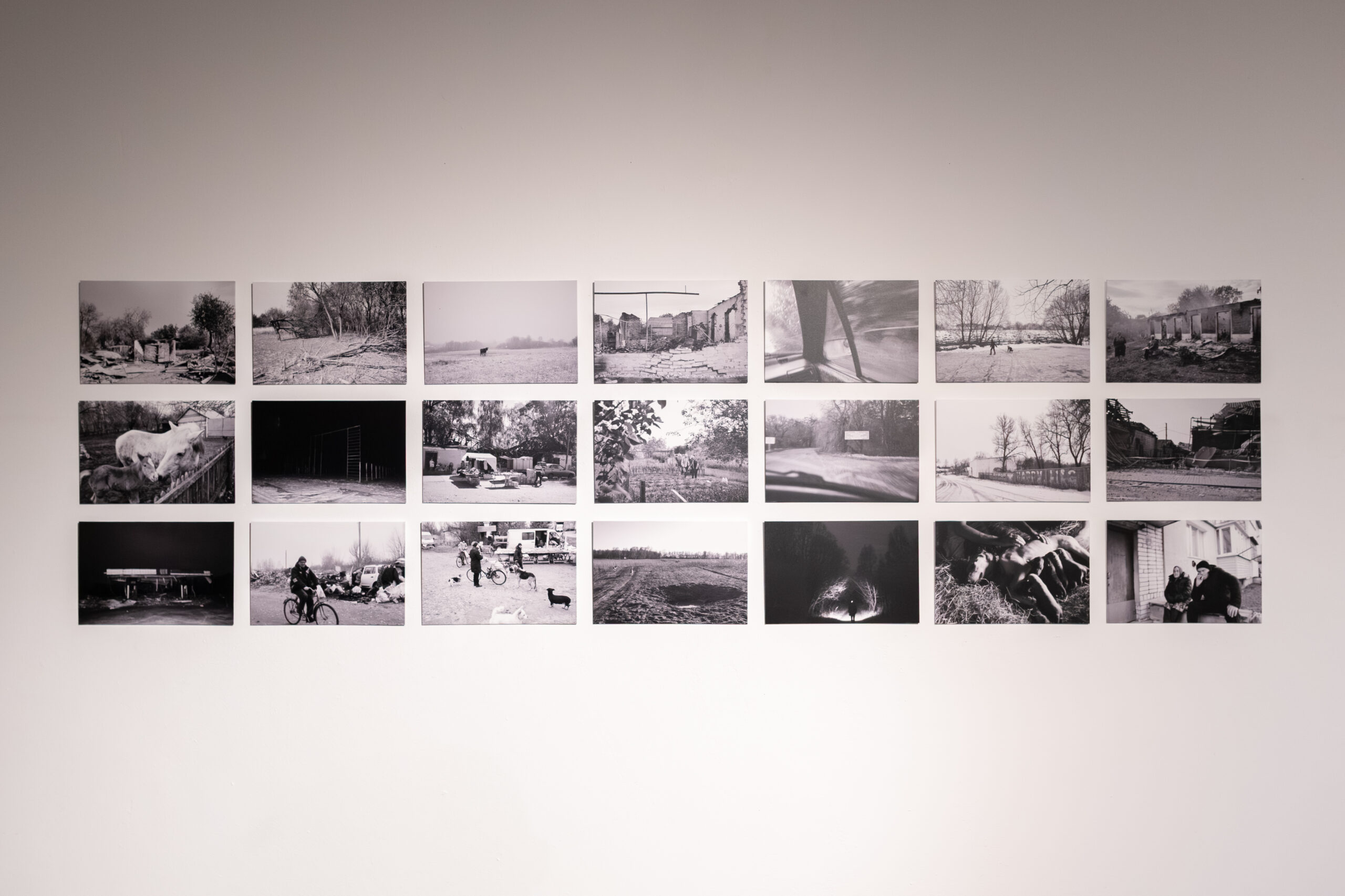
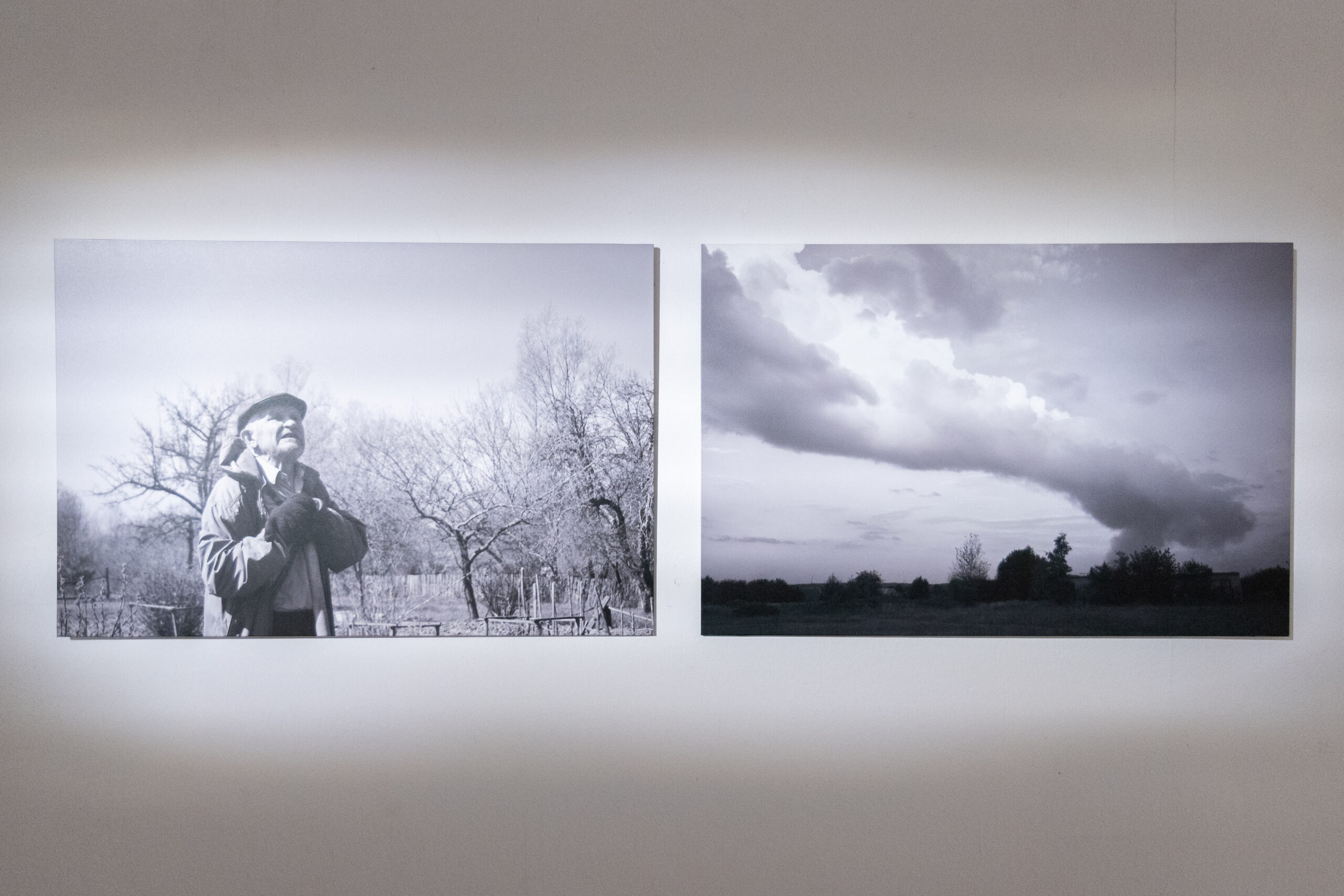
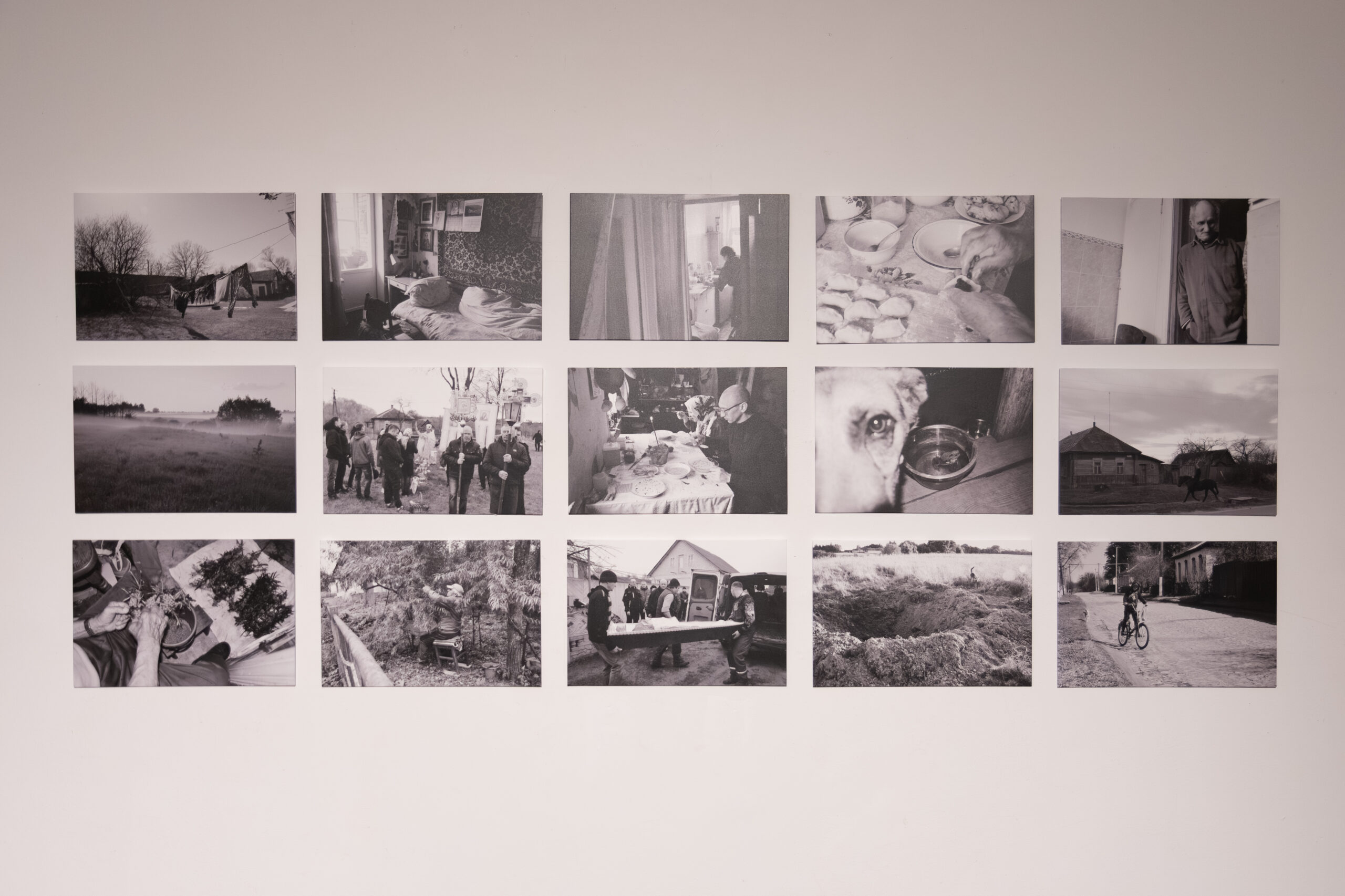
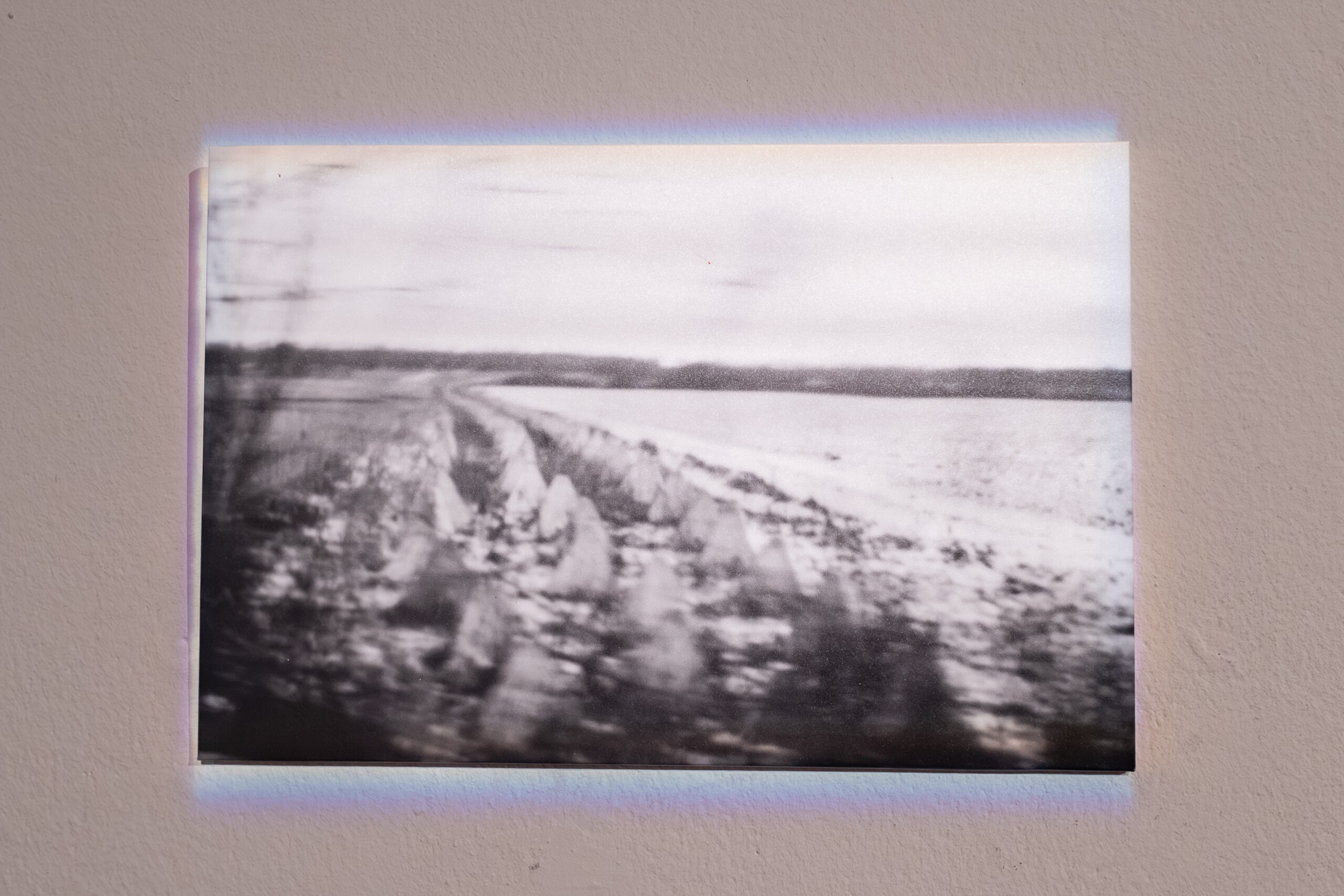
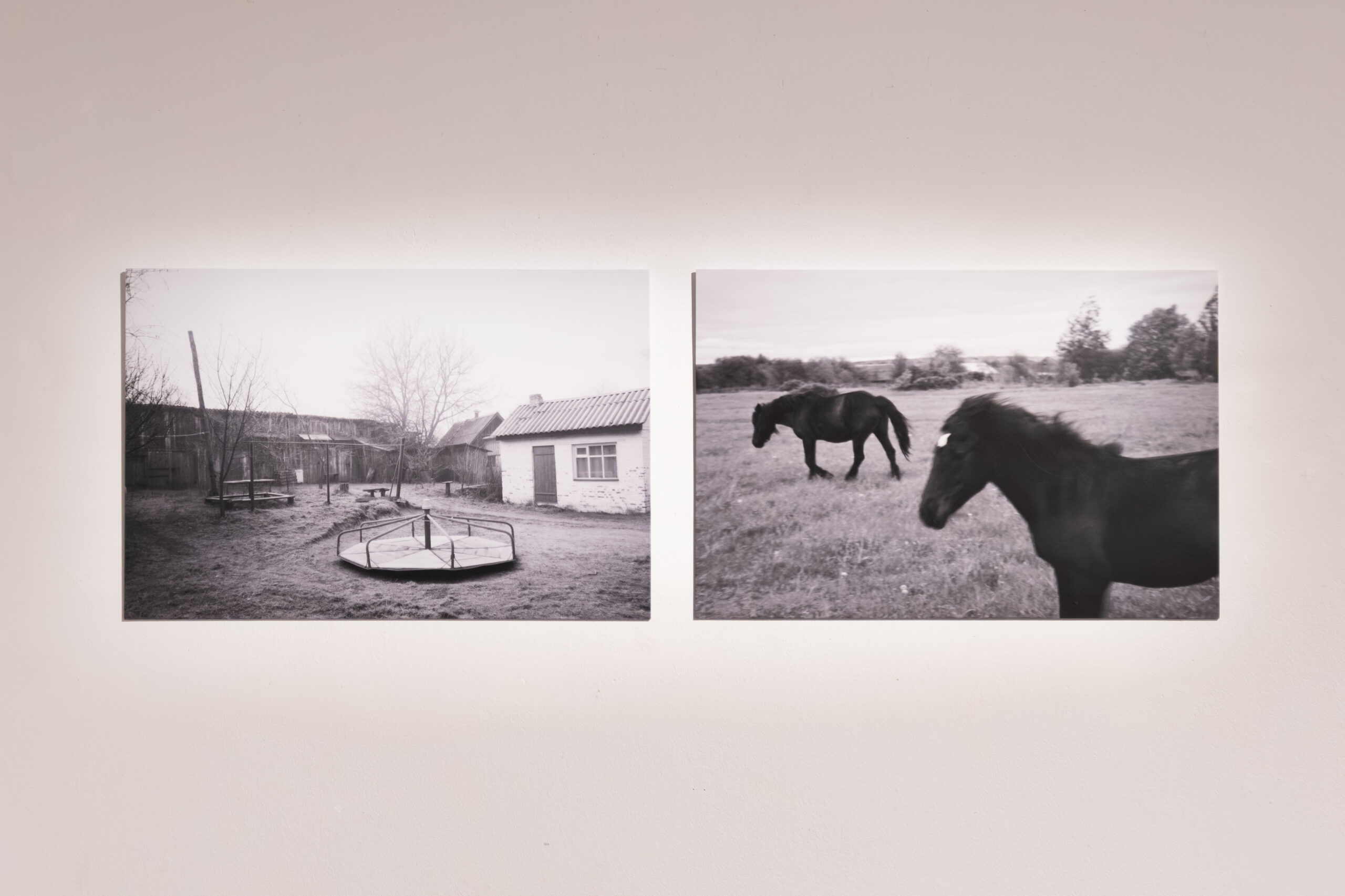
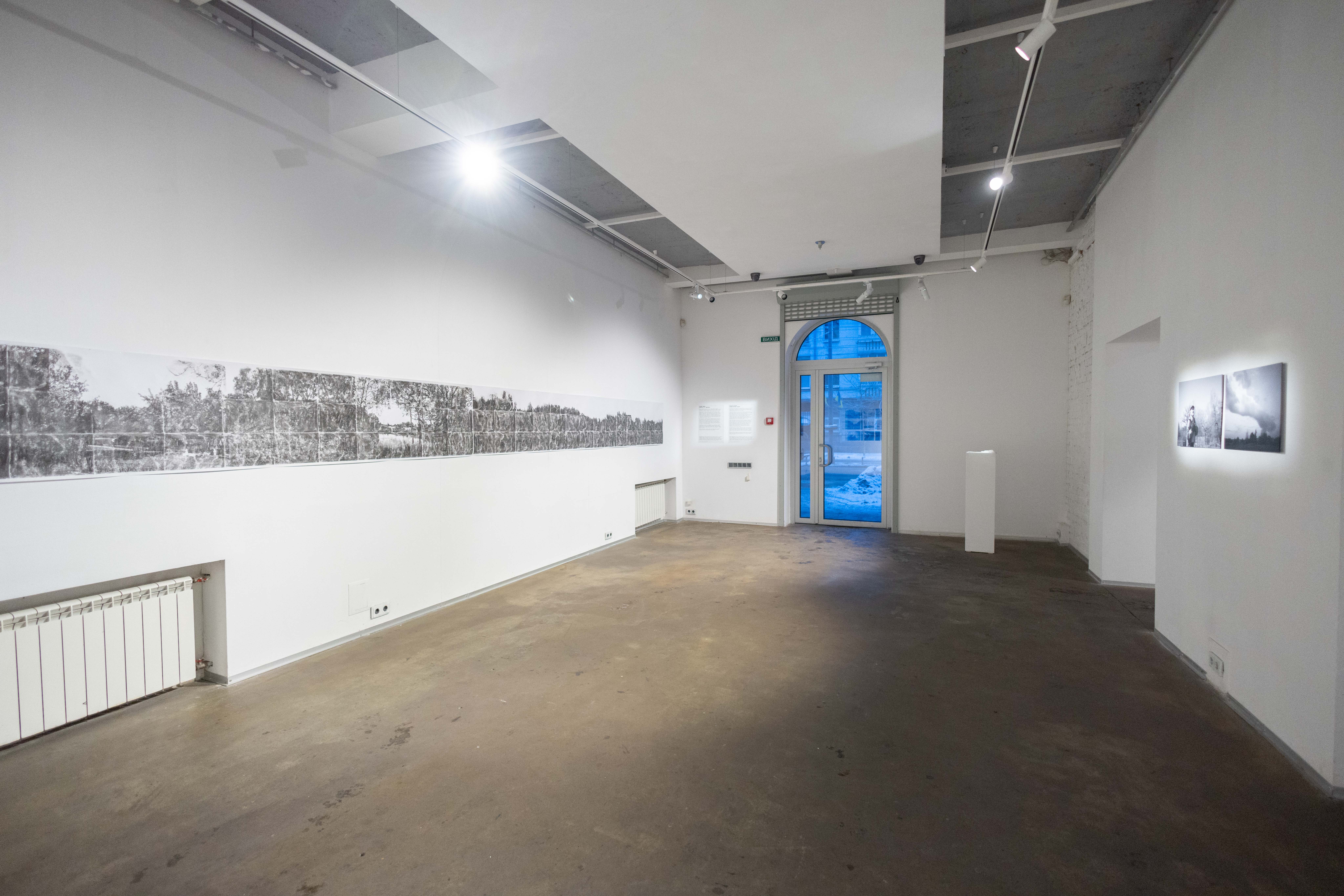
Ruslana’s photo project The Grey Zone is about this myth-making and admiration for places on the periphery. Since 2022, the artist has been keeping a photographic diary in which, amid the ruins of the full-scale war and the post-Soviet decline intrinsic to Ukrainian cities, she records gentle observations of what is dear to her heart. Dogs left behind by those who have fled, whom the artist looks after during her visits, horses, and other animals all inevitably become helpless witnesses to the impact of war. Nature and landscape in the photographs are no longer a backdrop; instead, they assume the role of observer and active participant, which, in their variability and at the same time silent quiet permanence, will outlive every one of us. Together with the few remaining inhabitants of the city, they continue to live their everyday lives, which, as it turns out, are not so easy to disrupt.
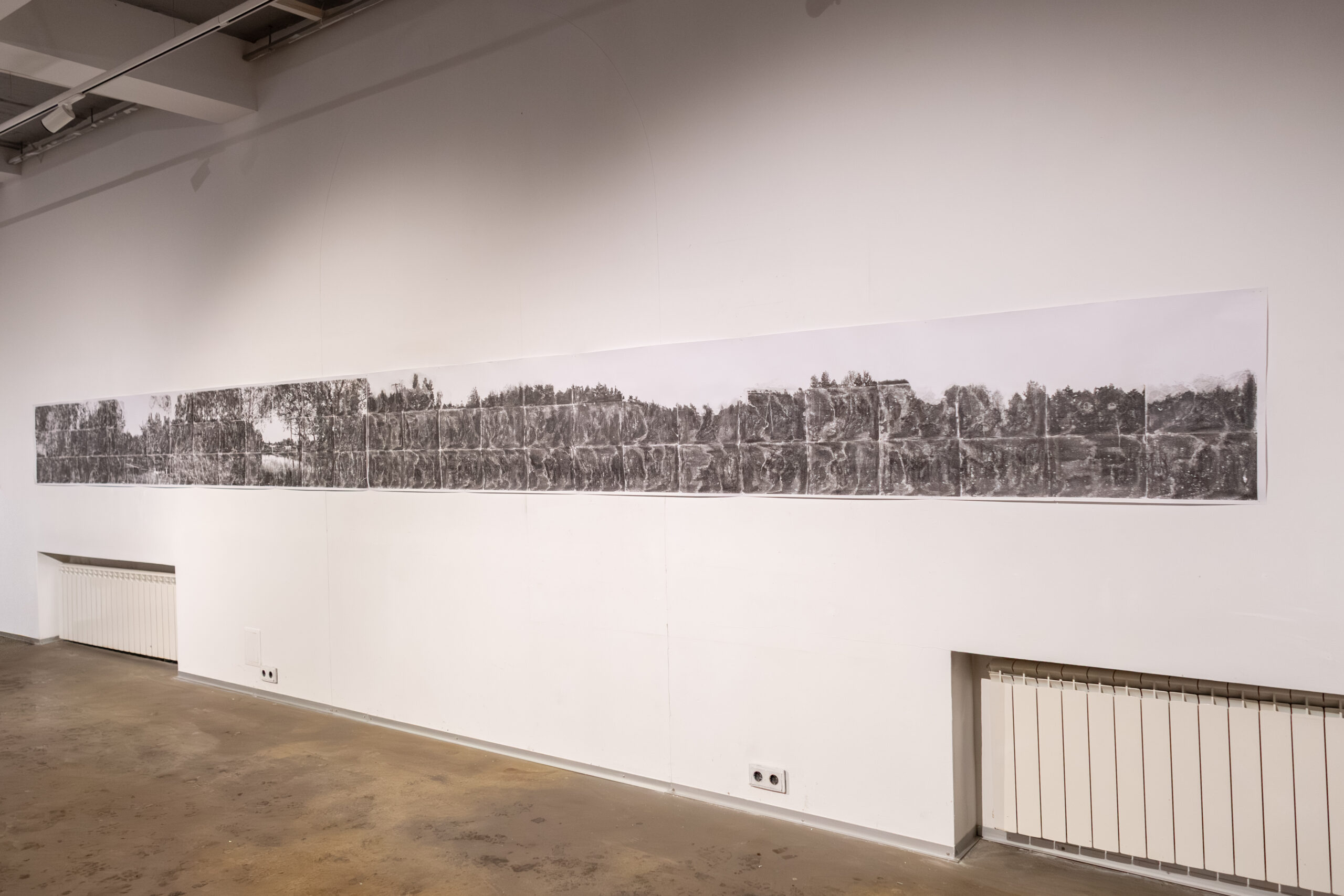
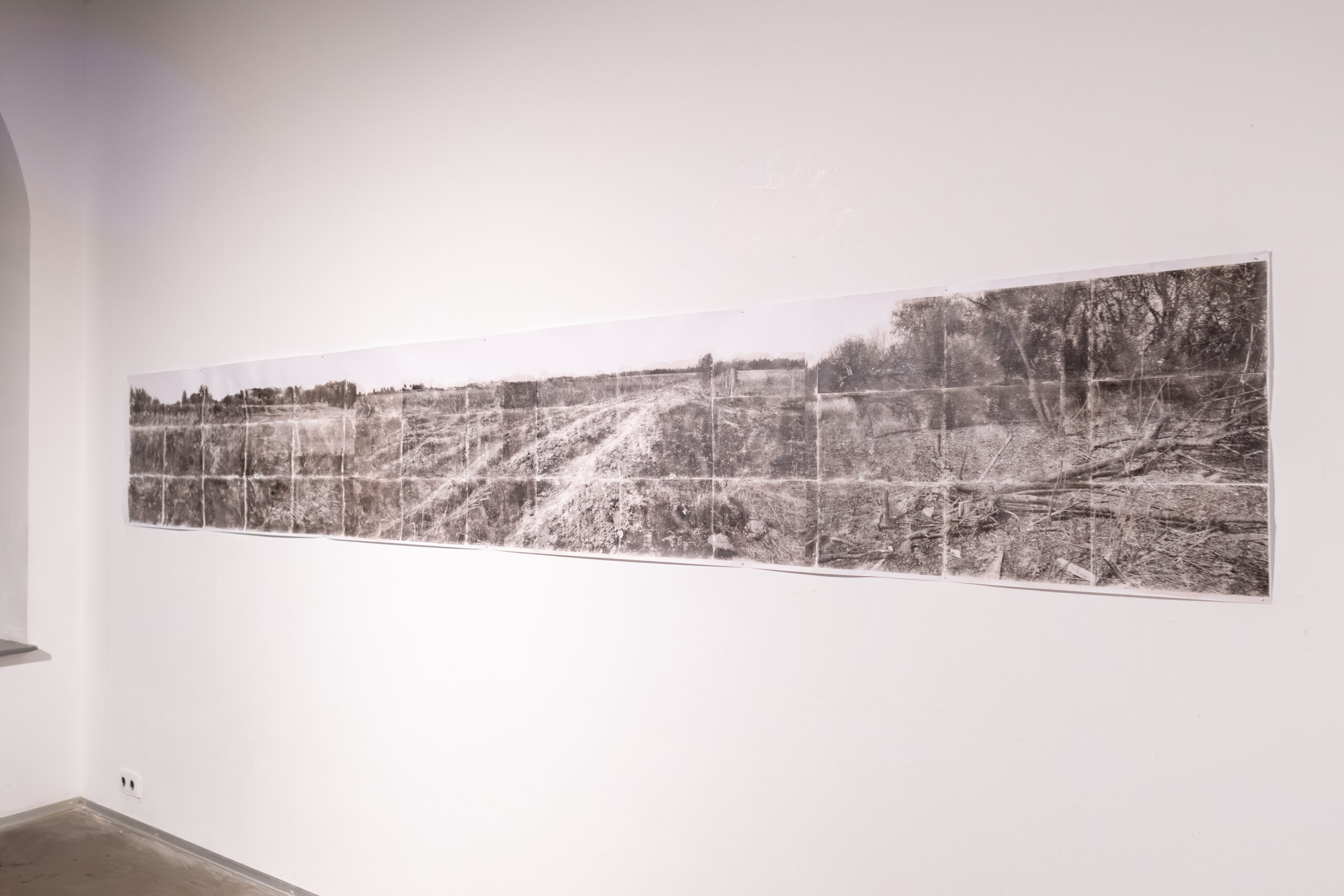
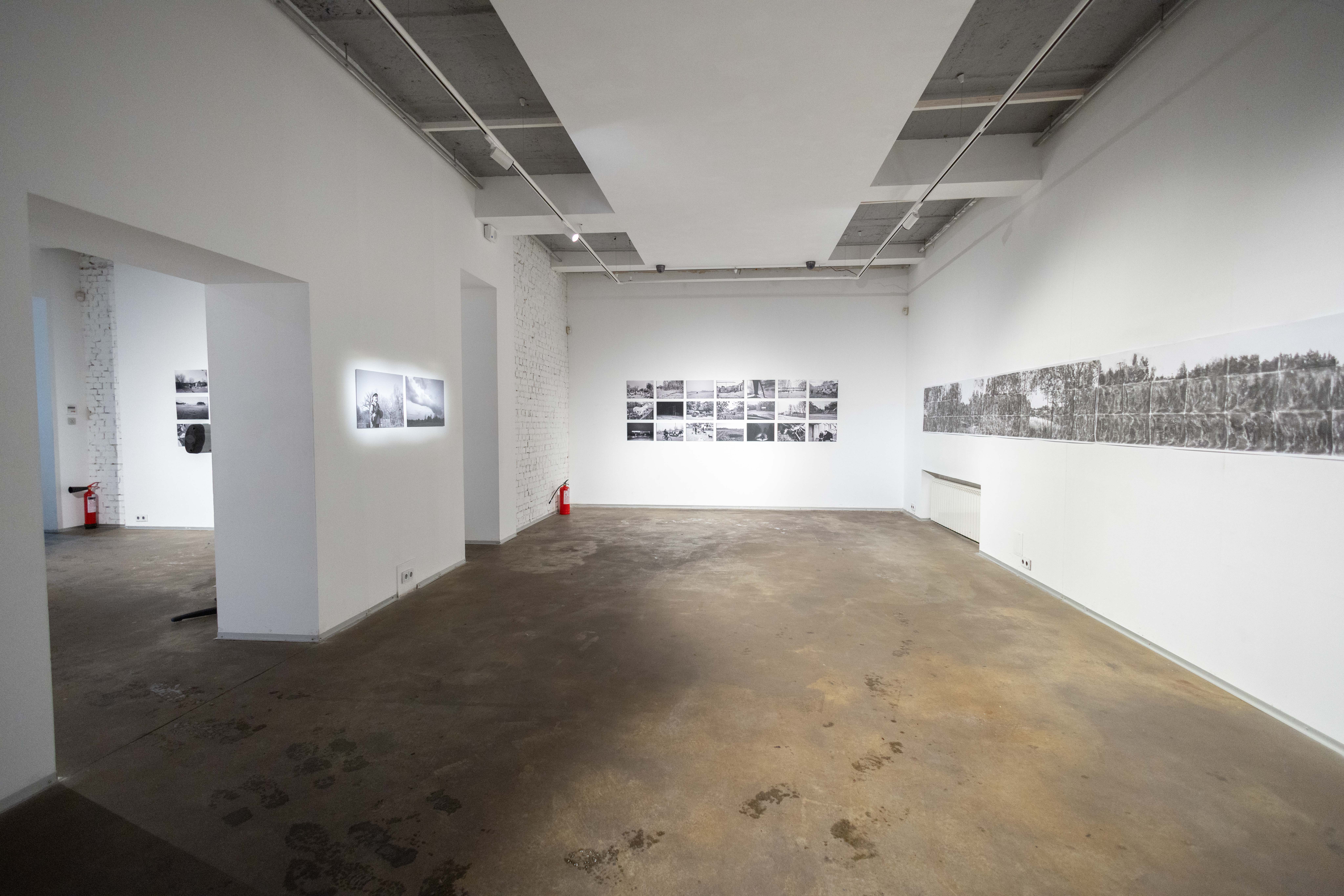
This characteristic of the intensity of motion also emerges in another project by the artist, which bears a deliberately direct title, About Return. Created using the artist’s own technique, the triptych extends lengthwise, filling the horizon within the field of vision. The landscape images lack clear markers of a specific place from which they were created, yet a recurring sense of familiarity persists in memory. If not of the landscape itself, then of the experience of dreading its loss.
Paying attention to the details of places that are slipping away, but can still be accessed, is at least comforting when wandering through the archives of personal memory. After all, once return becomes unreachable, reverse motion will remain possible only in memory.
* It still feels weird to present these realities as the norm.
Curator: Vita Kotyk
Project manager: Anastasiia Garazd
Exposition photos: Daria Lanova